
Delivering structured nutrition management support and compliant clinical environments for nursing education and healthcare training programs requires more than just classroom teaching. It needs practical training spaces, safe food-handling systems, and facilities designed to support real-world healthcare learning. Professionally maintained, fully equipped, and regulation-ready environments help students, nurses, and training institutions begin with confidence from day one.
Introduction
Nutrition management plays a major role in patient care, disease prevention, recovery, and long-term health outcomes. In nursing education and healthcare training, students must understand not only the theory of nutrition but also how dietary planning, meal preparation, food safety, and clinical support work in actual healthcare settings. Clinical training spaces designed for nutrition and healthcare education provide this practical foundation. These facilities support hands-on learning, safe practice, and compliance with healthcare and food-handling standards, helping institutions deliver better training experiences.
What Is Nutrition Management?
Nutrition management is the process of planning, monitoring, and supporting a person’s dietary needs to improve health and wellbeing. In healthcare and nursing settings, it involves assessing nutritional status, identifying dietary requirements, managing special diets, and ensuring patients receive suitable nutrition for their medical condition.
This may include:
- Monitoring patient food intake
- Supporting recovery through proper meal planning
- Managing diets for chronic illness
- Preventing malnutrition
- Promoting safe food handling and preparation
- Educating patients about healthy eating habits
Nutrition management is important in hospitals, aged care facilities, rehabilitation centers, disability support settings, and community healthcare services.
Why Nutrition Management Is Important in Healthcare
Good nutrition directly affects patient outcomes. Poor nutrition can delay healing, reduce immunity, increase complications, and lower quality of life. In clinical settings, healthcare professionals must know how to identify nutritional risks early and respond appropriately.
Nutrition management is important because it helps:
- Improve recovery and treatment results
- Support patients with medical conditions such as diabetes, heart disease, kidney disease, and gastrointestinal disorders
- Reduce the risk of infection and complications
- Maintain strength, energy, and overall health
- Prevent undernutrition and dehydration
- Support vulnerable groups such as elderly patients, children, and those with chronic illness
For training providers, teaching nutrition in a proper clinical environment ensures students gain both knowledge and confidence before entering the workforce.
The Role of Nurses in Nutrition Management
Nurses play a central role in nutrition management because they work closely with patients on a daily basis. They often observe changes in appetite, eating ability, hydration, and physical condition before other staff members do.
Their responsibilities may include:
- Screening patients for nutritional risk
- Recording weight, intake, and hydration levels
- Assisting with feeding when required
- Monitoring special dietary plans
- Reporting concerns to dietitians or clinical teams
- Educating patients and families on dietary care
- Supporting infection control and food safety practices
In healthcare training programs, nursing students need practical exposure to these responsibilities. Clinical training spaces allow them to understand workflows, compliance standards, and patient-centered care more effectively.
Types of Therapeutic Diets Used in Clinical Settings
Different medical conditions require specific dietary modifications. Common therapeutic diets include:
Low Sodium Diet
Used for hypertension and cardiac conditions to reduce fluid retention and blood pressure.
Diabetic-Friendly Diet
Focused on blood sugar regulation through controlled carbohydrate intake and balanced nutrition.
High-Protein Diet
Supports tissue repair and recovery, particularly after surgery or trauma.
Renal Diet
Limits potassium, sodium, and phosphorus intake for patients with kidney disorders.
Cardiac Diet
Emphasizes low saturated fat, reduced cholesterol, and heart-healthy nutrients.
Understanding when and how to apply these diets is a core component of clinical training programs.
Importance of Compliant Clinical Training Spaces
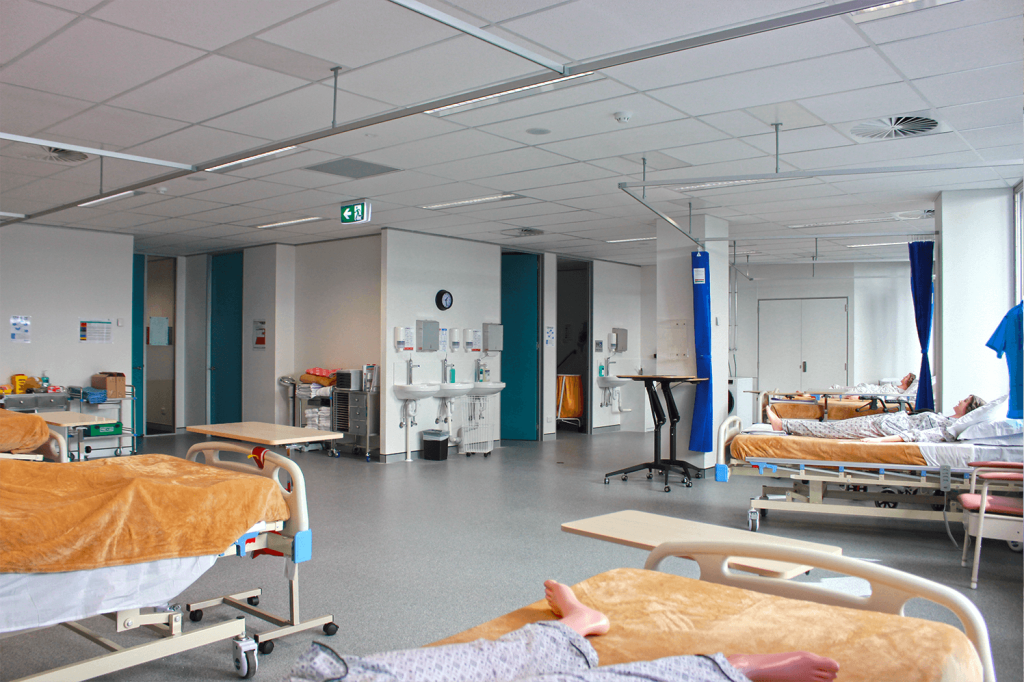
Clinical nutrition education requires more than lecture-based instruction. Students need environments that reflect real healthcare and food-service standards. A compliant clinical training space helps institutions deliver safe, practical, and industry-relevant education.
Key features of a well-designed facility include:
- HACCP-certified kitchens or food preparation areas
- Approved and regulated training spaces
- Clean, professionally maintained environments
- Equipment suitable for nutrition and healthcare instruction
- Safe layouts for supervised practical learning
- Compliance with healthcare, safety, and training standards
These spaces help learners understand correct procedures from the beginning, reducing gaps between training and real employment settings.
Benefits of Professionally Managed Training Facilities
Choosing a fully equipped and compliant training facility offers clear advantages for healthcare education providers.
24/7 Facility Access
Training programs often run on varied schedules. Round-the-clock access supports flexible timetables, practical sessions, assessments, and institutional needs.
Long-Term Lease Options
Flexible long-term arrangements allow institutions to establish stable training programs without constant relocation or operational disruption.
Strategic Healthcare Locations
Facilities located near healthcare networks, hospitals, or major service areas improve accessibility for students, staff, and partner organizations.
Certified and Compliant Environments
Approved facilities and certified kitchens support regulated learning, practical assessments, and industry-aligned training delivery.
How These Spaces Support Nursing Education
Clinical training spaces focused on nutrition management help learners build practical competence in areas such as:
- Patient meal support
- Clinical hygiene and food safety
- Nutritional assessment procedures
- Special diet implementation
- Team-based healthcare delivery
- Documentation and compliance practices
For institutions, this improves the quality of training delivery. For students, it builds readiness for placements and professional work. For healthcare employers, it supports a better-prepared workforce.
Why Facility Quality Matters From Day One
First impressions matter in education and training. Students entering a well-organized, compliant, and professionally maintained facility are more likely to feel confident, supported, and prepared. Institutions also benefit from presenting a high standard of professionalism to students, partners, and regulators.
A strong training environment contributes to:
- Better learner engagement
- Safer practical education
- Higher operational reliability
- Easier compliance management
- Stronger institutional reputation
Conclusion
Nutrition management is not a supplementary service — it is a core pillar of effective healthcare delivery. From acute hospital care to long-term chronic disease management, structured dietary planning significantly improves patient outcomes.
In nursing education and healthcare training programs, compliant clinical environments ensure that future professionals gain hands-on experience in safe, regulated nutrition practices. By combining professional facilities, certified standards, and structured dietary protocols, institutions build a foundation for sustainable healthcare excellence.